
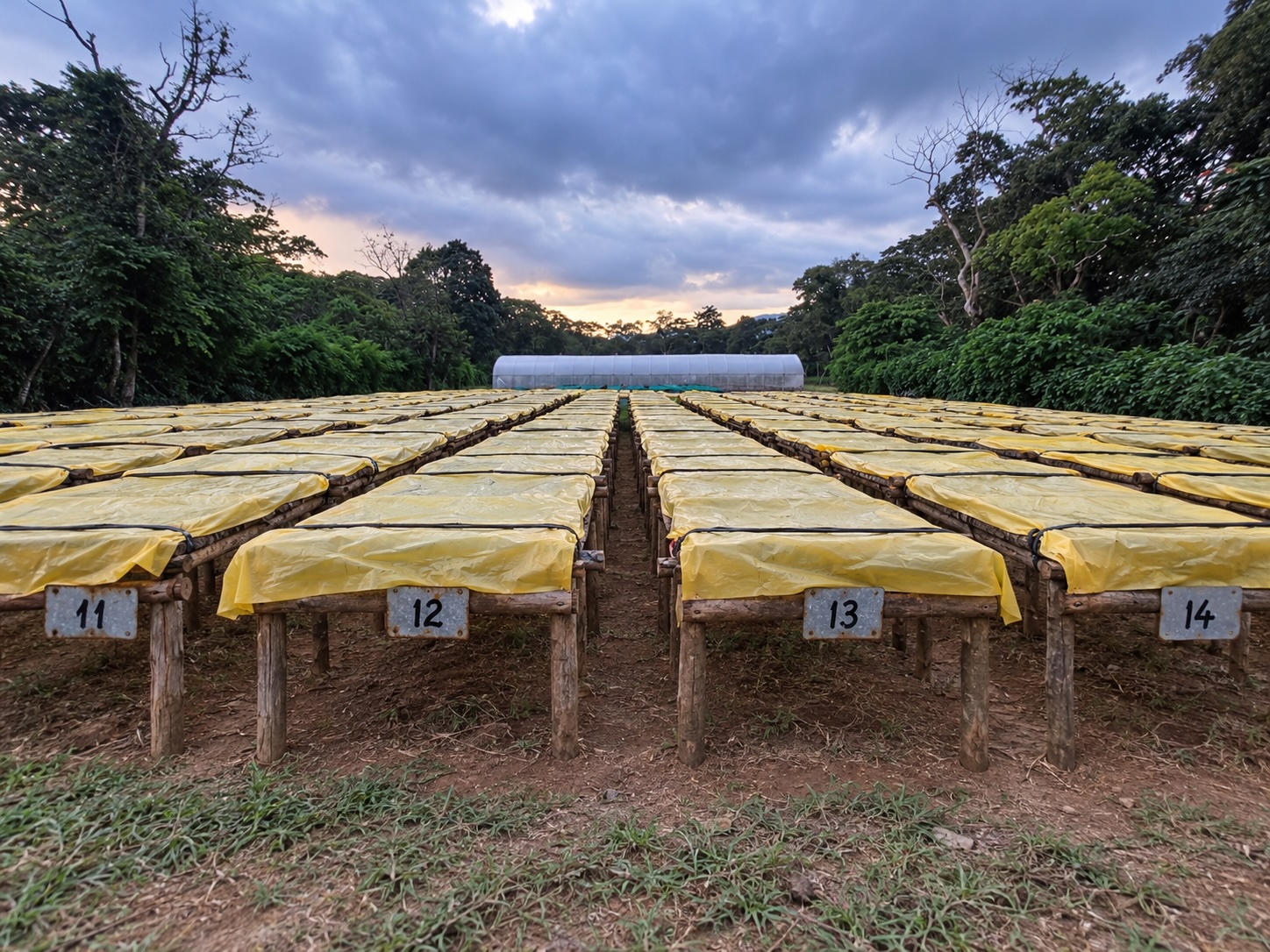
From a smallholder's plot in a kebele to a washing station, dry mill and container, Ethiopian coffee must now be traceable at every step under the EU Deforestation Regulation (EUDR). The European Commission's latest EUDR FAQ (Version 5) clarifies how. Here are the nine answers that matter most for Ethiopian coffee. You can download the full FAQ below.
What must be traced
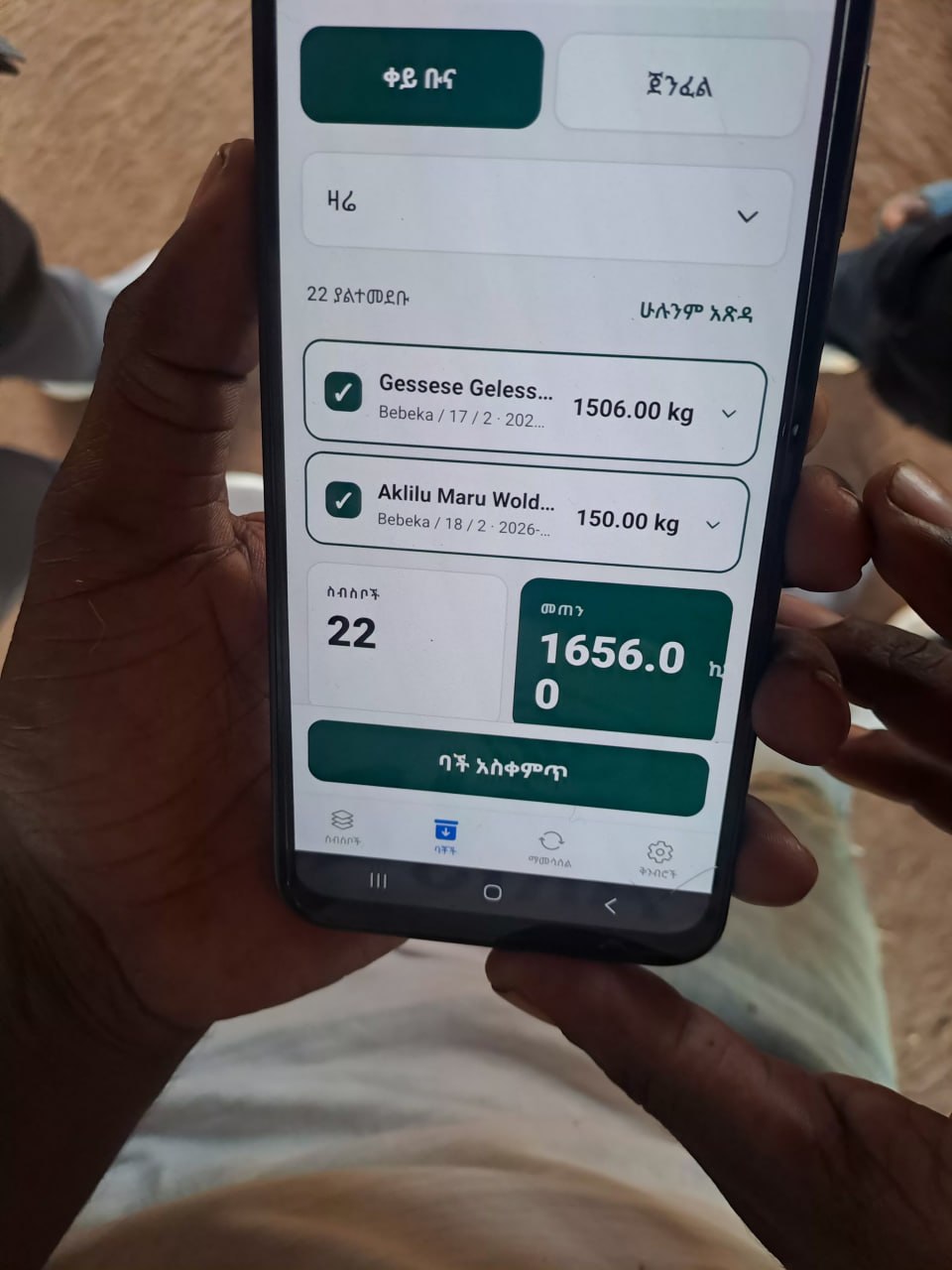
Every plot needs coordinates (FAQ 1.1). Plots under 4 hectares can be recorded as a single GPS point. Larger plots need a polygon. A phone is enough, and no mobile network is required. Farmers outside the EU have no direct legal obligations, so in practice exporters, cooperatives and washing stations collect the data.
Every batch, before customs (FAQ 1.2). A due diligence statement with geolocation must be filed before the coffee is released in the EU. No data means no clearance.
Records follow the coffee (FAQ 1.23). Operators keep records for five years and pass reference numbers to their buyers.
Land without titles
No title, no problem (FAQ 1.6). The lack of a land registry or formal title should not stop farmed land from counting as a plot. This matters in Ethiopia, where land is publicly owned and farmers hold use rights.
No IDs needed (FAQ 1.10). Plots can be mapped whether or not farmers are registered or hold IDs. No personal data is required from farmers who aren't direct suppliers. If national law lets farmers sell without a title, the legality requirement is met. Cooperatives, certification bodies or national systems can collect the data, but the operator stays legally responsible for it.
Pooled lots at washing stations
Identify every plot in a shipment (FAQ 1.3). Coffee must never be mixed with coffee of unknown origin, or from land deforested after 31 December 2020.
No mass balance (FAQ 1.4). Traced and untraced coffee can't be mixed and balanced out on paper. Traced, compliant lots can be combined, so full identity preservation isn't required.
One bad plot can fail the batch (FAQ 1.5). A non-compliant part must be separated. Once it's mixed in, the whole batch is non-compliant.
Declaring extra plots is risky (FAQ 1.18). Operators may declare more plots than were used, but only for fully traced, unmixed coffee. They then answer for every plot declared. Declaring whole regions or the whole country is not in line with the rules.
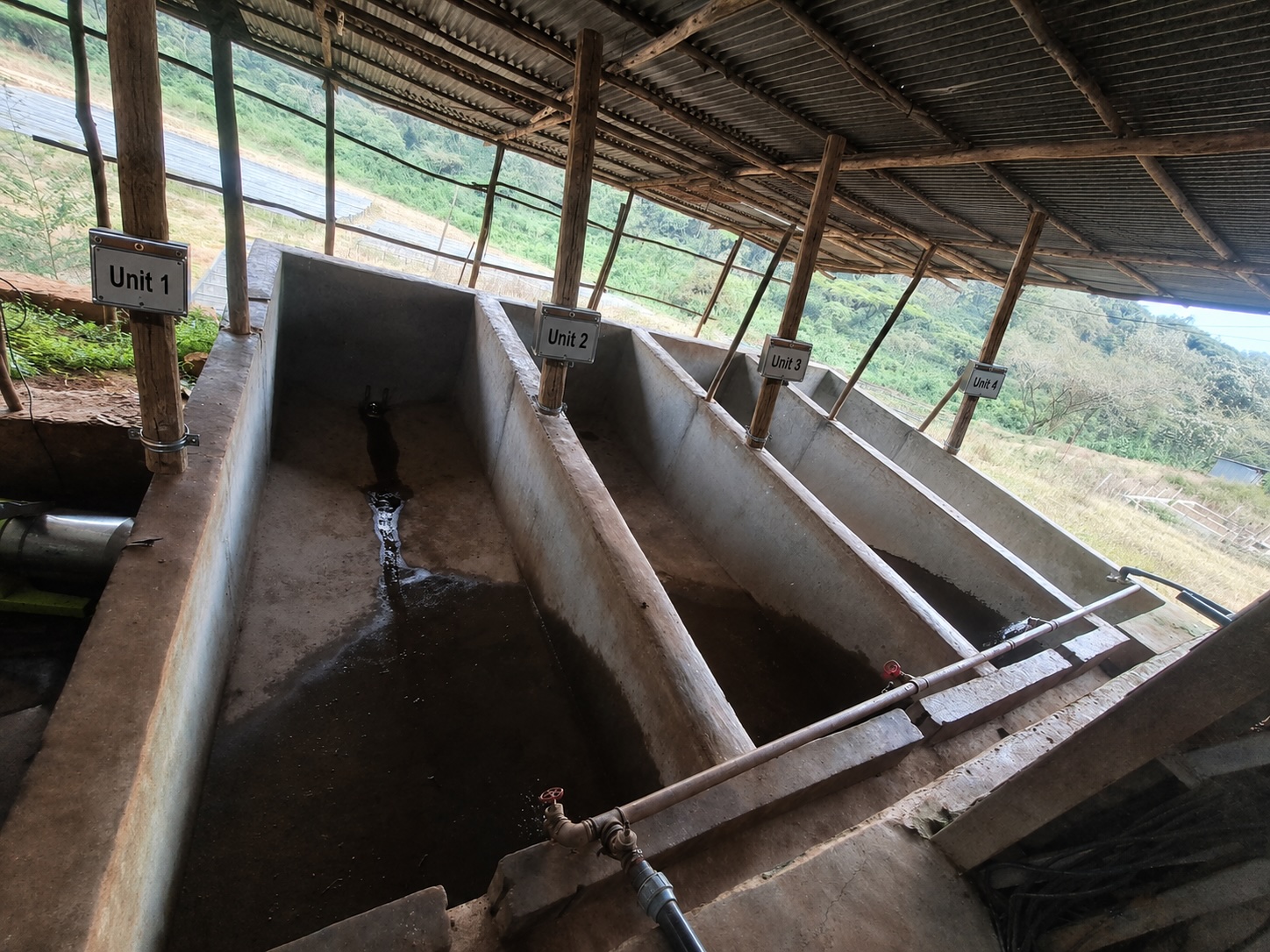
One unmapped farm in a pooled lot can put a whole container at risk.
What to do now
At origin
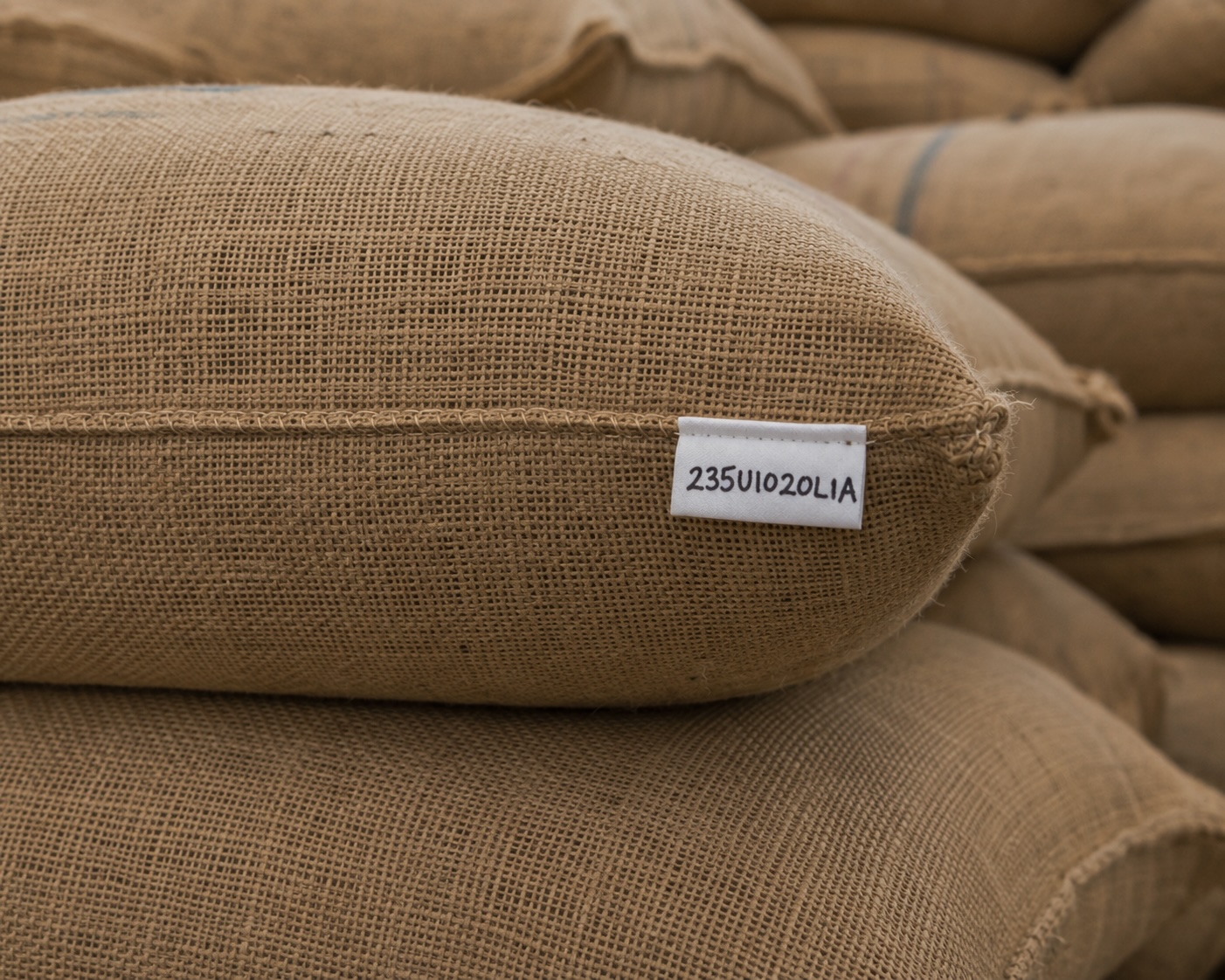
Ethiopian exporters, cooperatives and washing stations: map every supplying plot, keep untraced cherry separate at every step, and have the data ready before shipment.
In the EU
EU importers and roasters: check the data you receive, since you're responsible for it. Be careful with declarations in excess, agree with suppliers how data will be shared, and keep records for five years.
The FAQ is a Commission working document. It is not legally binding, but it shows how the Commission reads the Regulation.